EN
EN


- Overview
- Competitive Advantage
- Recommended Products
Overview
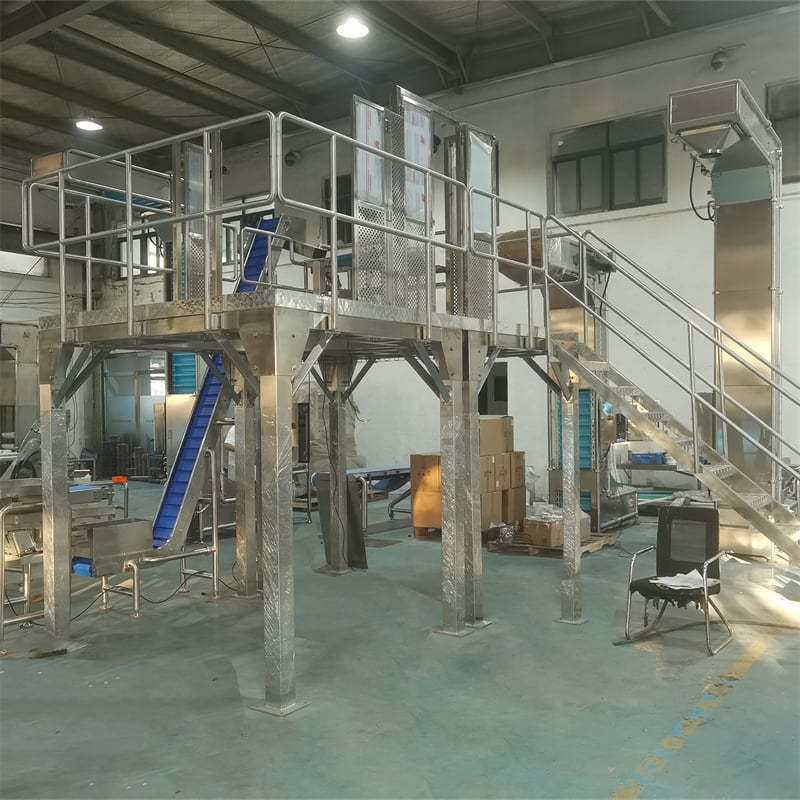
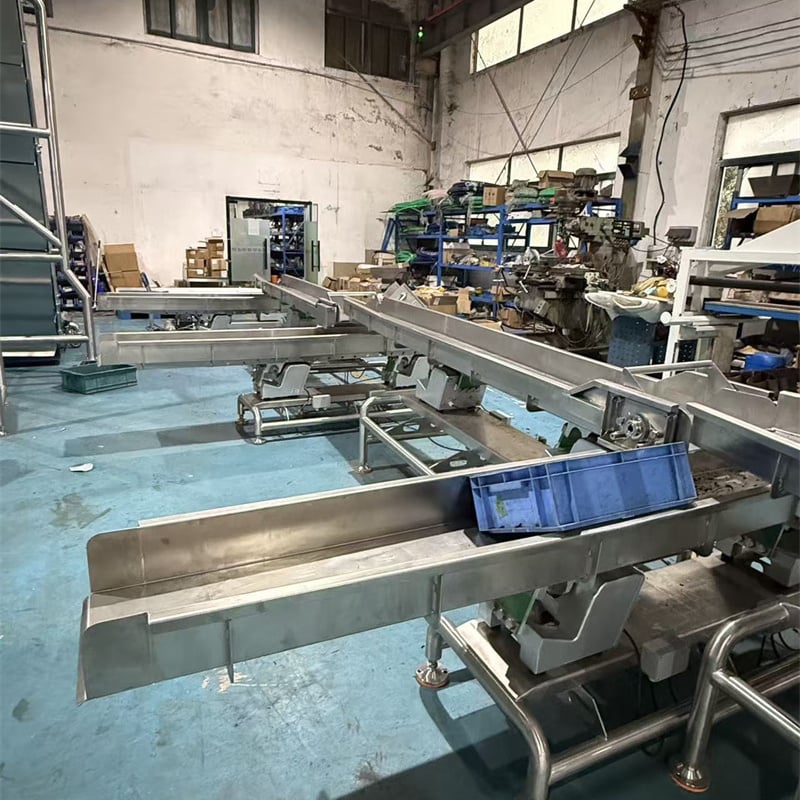
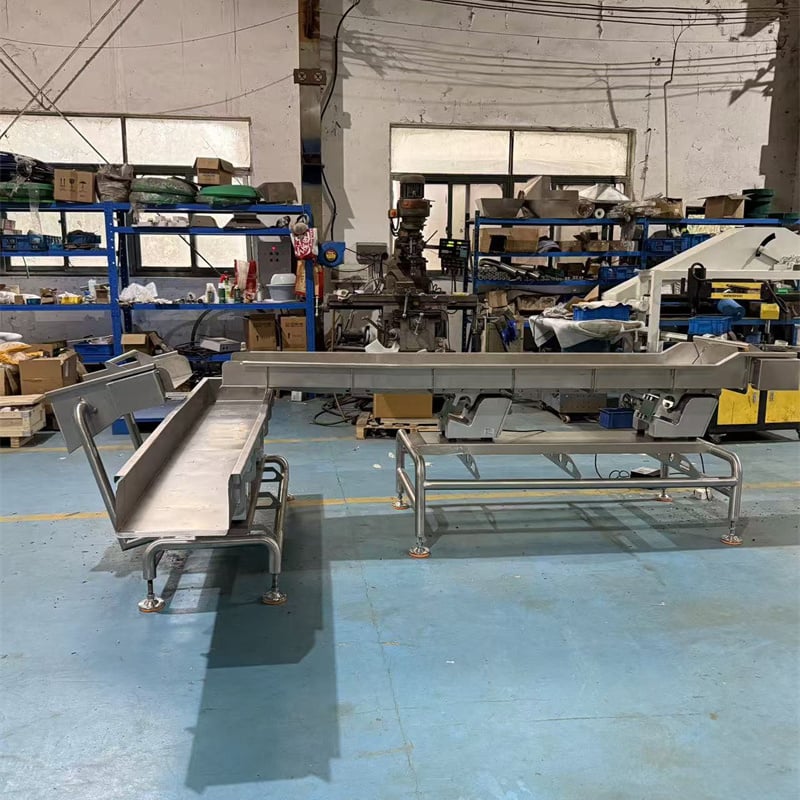
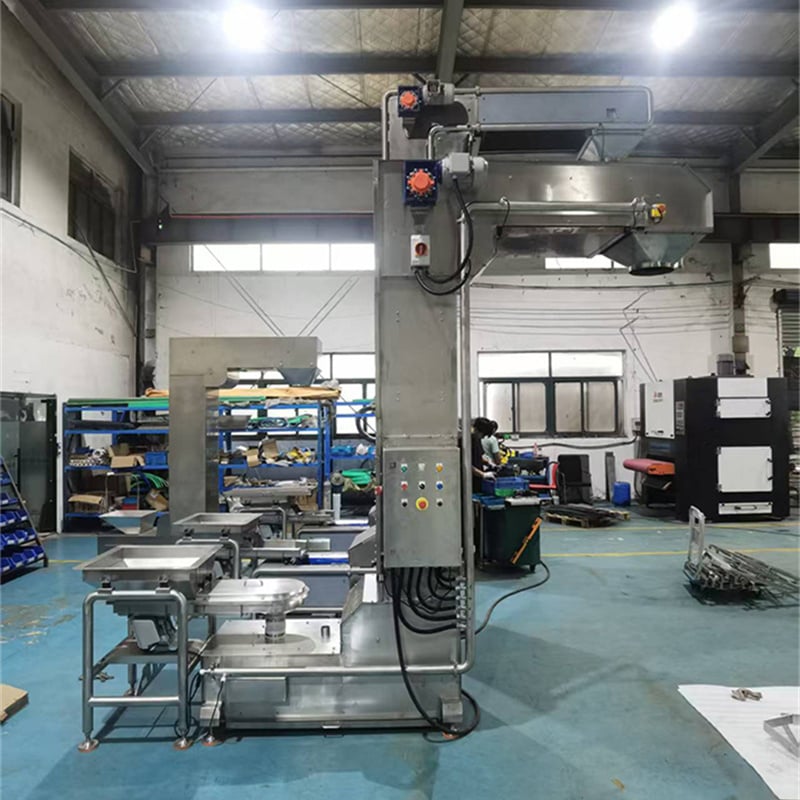
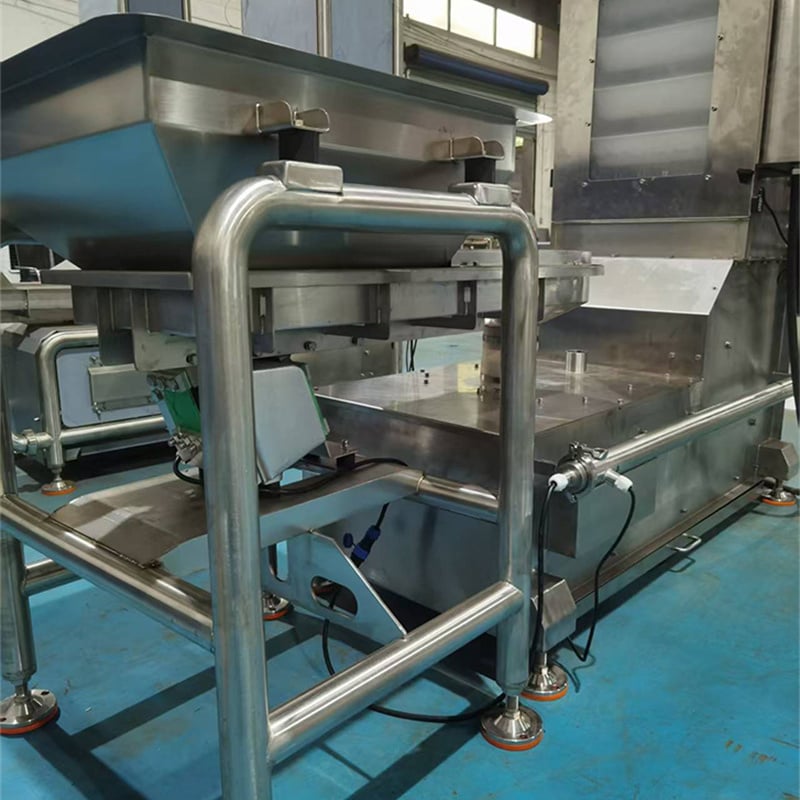
The Multiple-level (Multi-deck) Vibrating Feeder is a high-density processing module that integrates conveying, sizing, and multi-stream delivery into a single vertical footprint. While the global vibrating feeder market is growing at a stable 5.1% CAGR, the "Multi-deck" segment is seeing outsized demand from space-constrained sectors like urban waste recycling, seed/grain sorting, and mobile crushing plants.
On Alibaba.com, the "Mining Feeder" category shows a healthy +12.5% YoY growth in inquiries. However, there is a clear "Value Narrative Gap" for multi-deck systems. Most listings focus on raw tonnage, while the market is shifting toward System-Integrated Solutions where a single multi-level unit can replace 3-4 standalone machines (feeder + multiple screens), effectively transforming floor space from a cost center into a productive asset.
Competitive Advantage
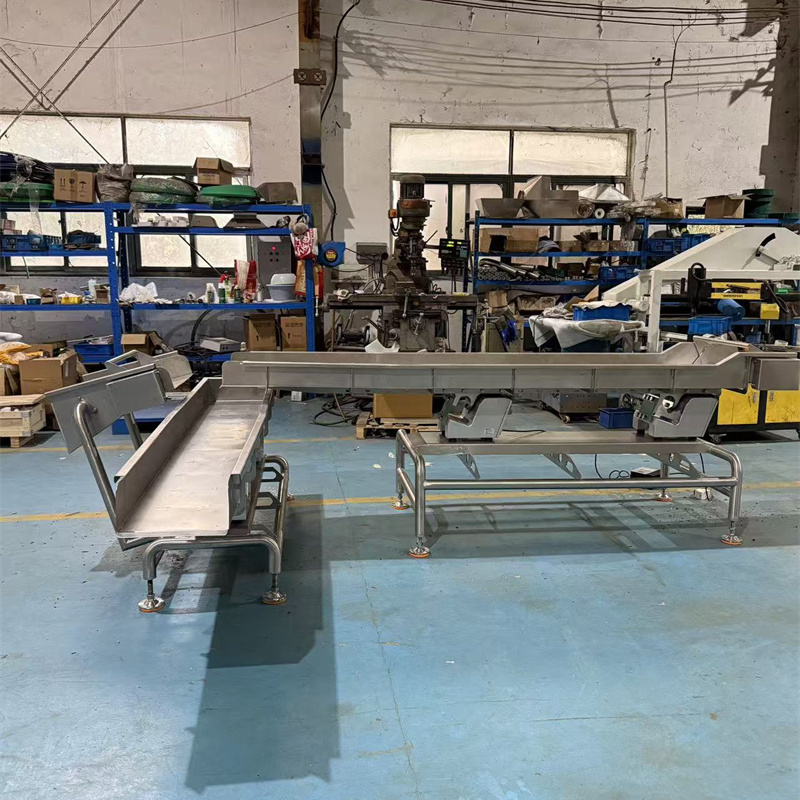
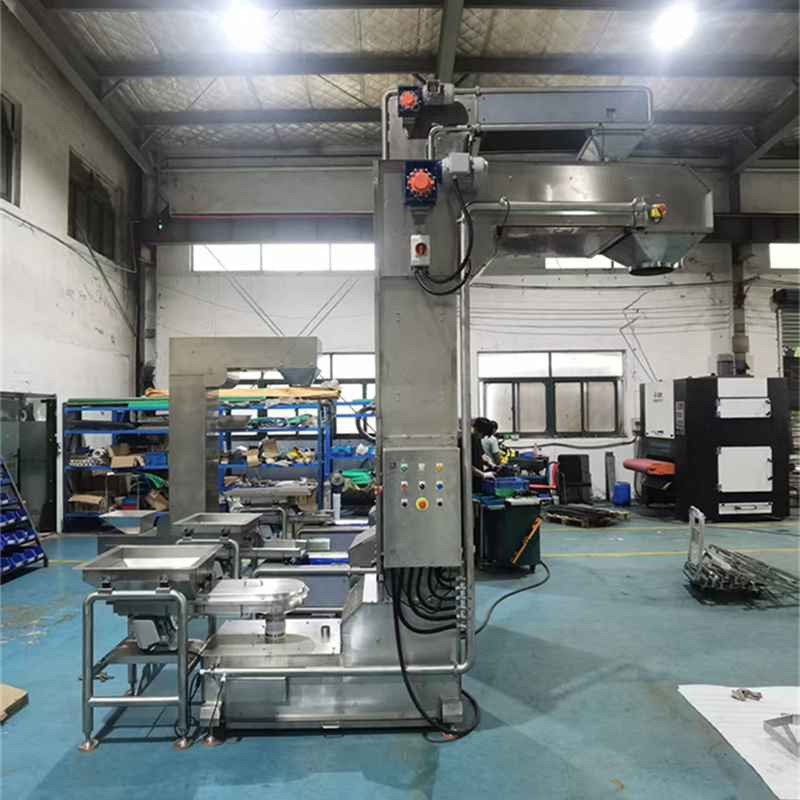
"Space-as-Asset" Vertical Integration: By stacking 2-5 screen decks vertically, our systems compress the footprint of a traditional grading line by 60-75%. This allows facility managers to increase production density or add bypass processes within the same physical building envelope.
Synchronized Sizing-in-Motion: Achieves simultaneous feeding and precise multi-stage classification. This eliminates intermediate transfer points (chutes/elevators), reducing material drop-breakage by 3-8%—critical for high-value or friable products like coke, nuts, or recycled metals.
Programmable Multi-Stream Delivery: Features 2-5 independent discharge outlets, each corresponding to a specific particle size. This enables Parallel Process Routing, where Grade-A goes to packaging, Grade-B to rework, and Fines to waste—all from a single energy-efficient vibration source.
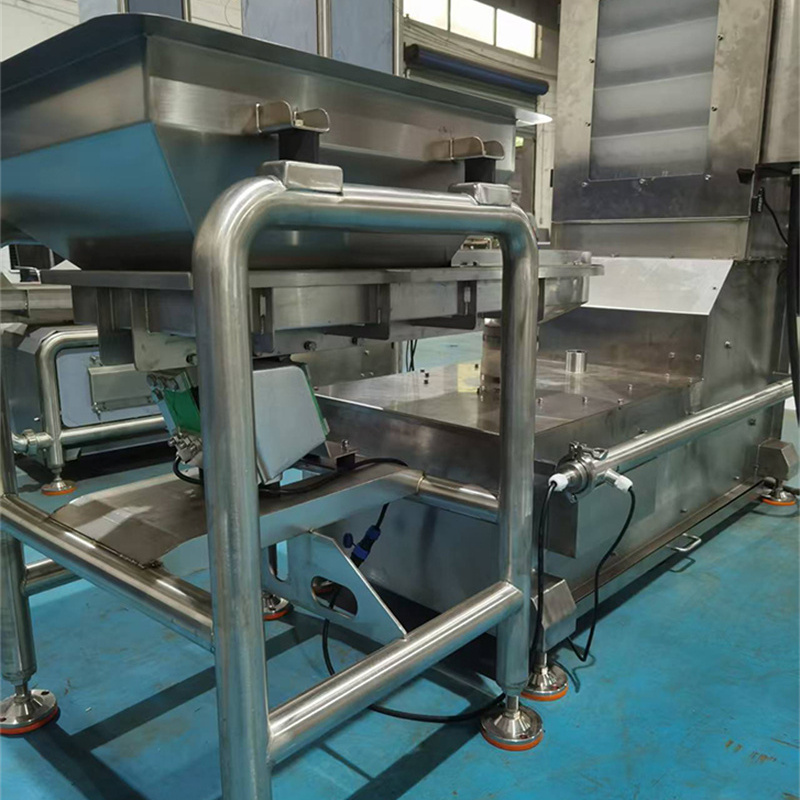
Reduced System Complexity (Lower TCO): Integrating multiple functions into one unit reduces the count of drive motors, PLC I/O points, and mechanical connections by up to 75%. For the operator, this means fewer failure points, halved spare parts inventory, and significantly lower maintenance labor.
Optimized Dust & Noise Control: Fewer equipment transition points mean fewer sources of dust emission and mechanical noise. The enclosed multi-deck design simplifies the connection to Clean-in-Place (CIP) or localized dust extraction systems, ensuring a safer, more compliant workspace.