Top Flat Belt Conveyors for Efficient Handling

Contact me immediately if you encounter problems!

All Categories

flat belt conveyors

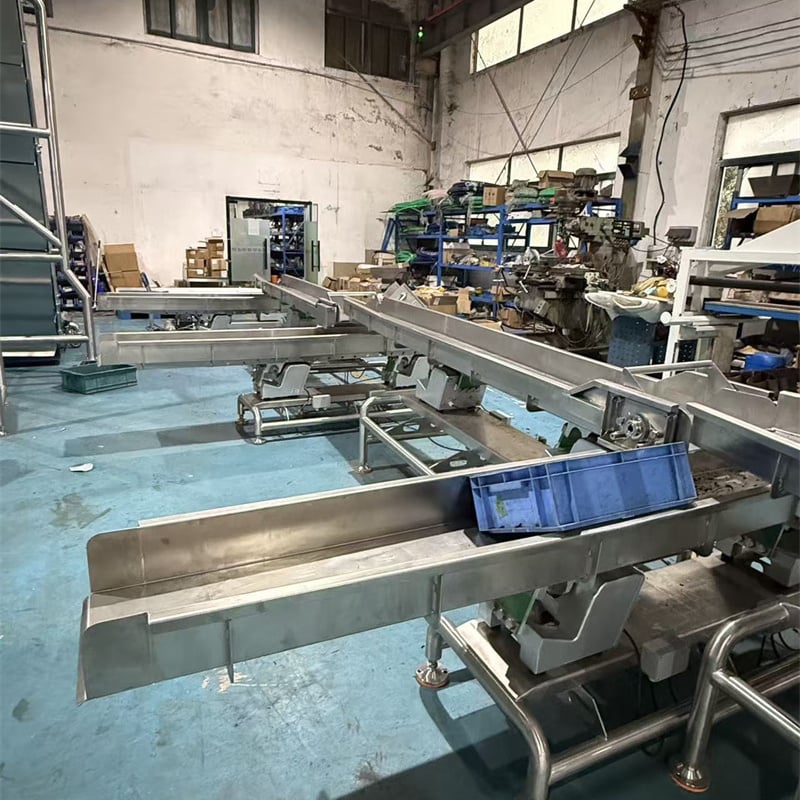
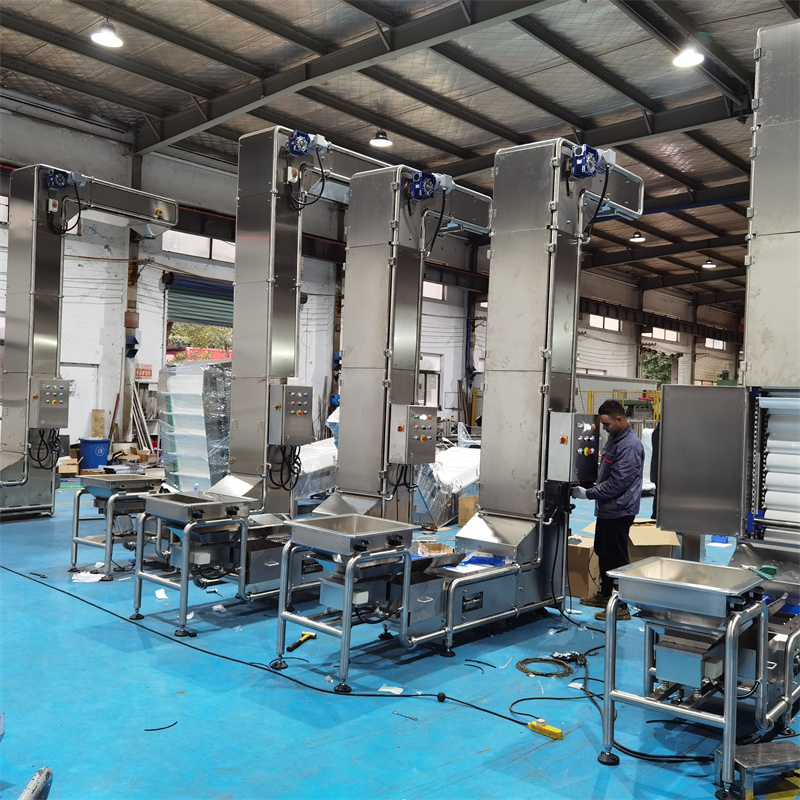
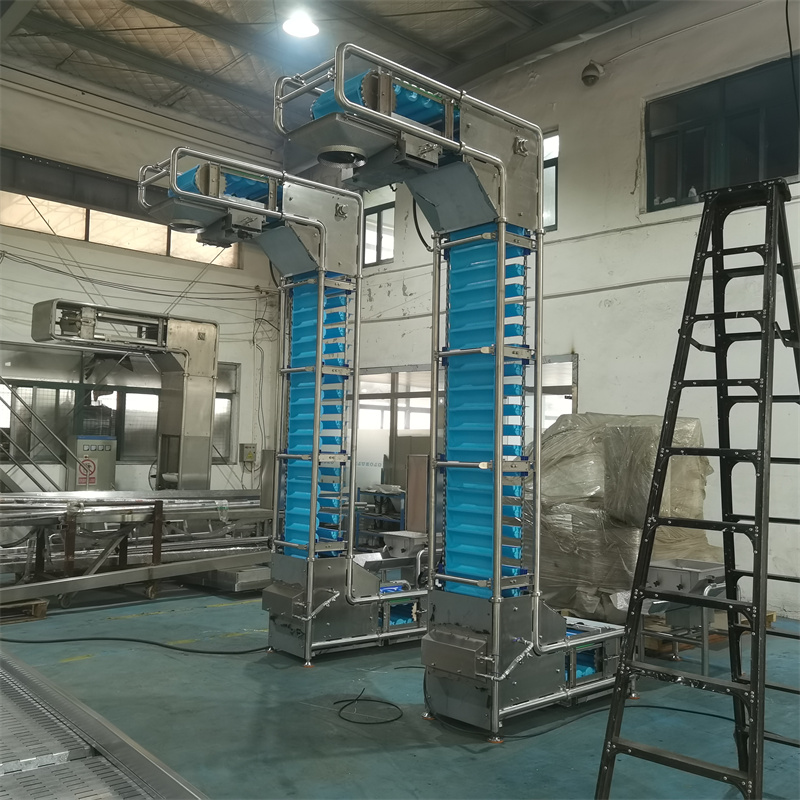
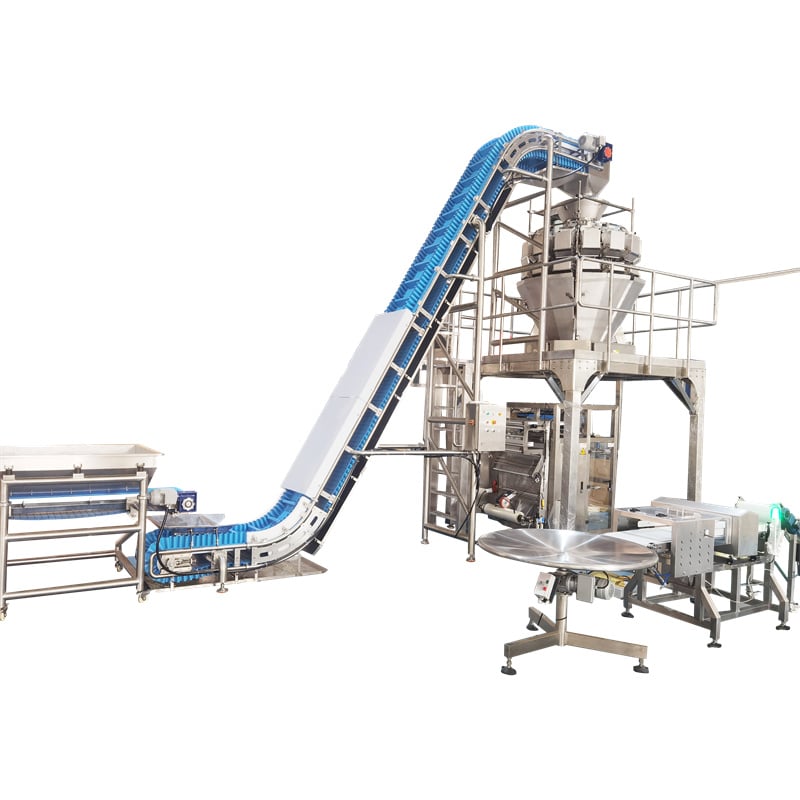
Flat belt conveyors are an important tool in many  industries. They help move items from one place to another,  making work easier  and faster. Imagine  a factory  where workers need to transport heavy boxes or materials. Instead of  carrying them by hand, they can place them on a flat belt conveyor. The conveyor  moves smoothly, saving time  and energy. This makes the job safer too,  as workers  don’t have to lift heavy objects  repeatedly.  At GLOBULE, we know how valuable flat belt conveyors  are and how they  can help businesses run more smoothly. They are used in many areas, like  food processing,  packaging,  and even in warehouses. Understanding how to choose the right conveyor and knowing the common issues that can come up with them  is essential  for anyone using this  kind of equipment.
Our Products

How to Choose the Best Flat Belt Conveyor for Your Business Needs

When picking the best flat belt conveyor for your business, you need to think about several things. First, what are you moving? The size, weight,  and type of items matter. If you are moving light boxes, a simple conveyor might work.  But if you have  heavy or bulky items, you need a  stronger conveyor. Next,  think about how long you need the conveyor to be. Will it travel a short distance  or  a long one? Also, consider the speed  of the conveyor. Some jobs  require fast movement, while others don’t. Another thing to think about is the environment where the conveyor will be used. Is it  wet or dry? Are there chemicals around?  GLOBULE offers conveyors  that can handle different conditions.  You should also look  at the design of the conveyor. Some are straight, while  others can curve or incline. Lastly,  think about your budget. It’s important to get a  conveyor that fits your needs without breaking the bank.  By taking these factors into account, you can find the right flat belt conveyor  that helps your business run  smoothly and efficiently.

Frequently Asked Questions

What industries are flat belt conveyors suited for?

Flat belt conveyors are ideal for food and pharmaceutical processing, hygienic packaging lines, and cleanroom handling where sanitary design and gentle product transport are required.
Yes. Our flat belt conveyors are designed to meet FSMA requirements with sanitary materials, washdown-capable construction, and hygienic features to minimize contamination risk.
Absolutely. We customize belt width, speed, belt material, frame finish, and accessories to suit product size, weight, throughput, and sanitary needs.
We use food-grade belts, stainless steel frames (304/316), smooth welds, and sanitary fasteners to ensure cleanability and corrosion resistance in food and pharmaceutical environments.
Yes. We offer installation guidance, preventative maintenance programs, spare parts, and technical support to ensure reliable operation and regulatory compliance.

Get a Free Quote

Our representative will contact you soon.
Email
Name
Mobile
Message
0/1000

Related product categories

What Common Issues Do Users Face with Flat Belt Conveyors?

What Common Issues Do Users Face with Flat Belt Conveyors?

Users of flat belt conveyors often face some common issues. One problem is that the belt can  slip. This happens when  the items  on  the  conveyor are too heavy  or  if  the belt is not tight enough. When  the belt slips, it can  cause delays in work. Another issue is wear and tear. Over time, the belt can get damaged. This can lead to breakdowns,  which can be frustrating. Regular maintenance is important  to keep the conveyor running  well. Users also sometimes find  that the conveyor is not aligned properly. If it’s not straight, items can fall off or get stuck. This can slow down production and create safety hazards. Another challenge is noise. Some conveyors can be loud, which may bother workers. At  GLOBULE, we  understand these challenges  and work hard to create solutions. By being aware of these common issues, users can take steps  to prevent problems and keep their conveyors working efficiently. Regular checks, proper use, and careful selection of equipment can  make a  big difference.
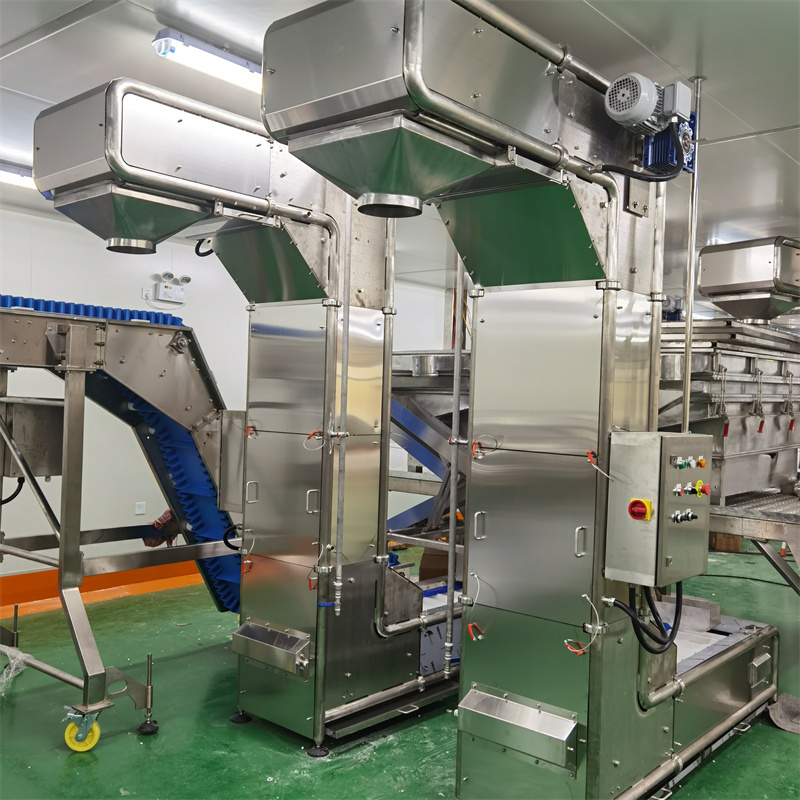
What Are the Latest Innovations in Flat Belt Conveyor Technology?

What Are the Latest Innovations in Flat Belt Conveyor Technology?

Flat belt  conveyors are used to move items from one place to another in factories, warehouses, and other settings. Recently, many  new ideas have come up to make flat belt conveyors even better. One big change is the use of smart technology. Now, some flat belt conveyors can connect to the  internet and share information. This  means they can tell workers when something is wrong or when parts need to be fixed. These smart  conveyors can even  adjust their speed based on how many items are being moved. Another innovation is using better materials for the  belts. These new materials make the belts stronger  and more resistant to wear and tear. This helps the conveyors last longer and work better. Some companies are also designing belts that are easier to clean. This is important  because keeping equipment  clean helps prevent dirt and germs from spreading. Additionally, some flat belt conveyors now  come with  special features like sensors that detect when something is stuck. This helps to stop problems before they happen. Another exciting development  is the use of energy-efficient  motors. These motors save electricity, which is good for the environment  and helps save money. Overall, the  latest innovations in flat belt  conveyor technology are making them smarter,  stronger, and more efficient. Companies like  GLOBULE are leading the way in  bringing these advancements to businesses, helping them run smoother and more effectively.

How to Maximize the Lifespan of Your Flat Belt Conveyor

How to Maximize the Lifespan of Your Flat Belt Conveyor

To make your flat belt  conveyor last a long time, you need to take  good care of it.  First, regular maintenance is very important. This means checking the conveyor often  for  any signs of wear or damage. Look for cracks or tears in the belt and make sure all parts are working properly. GLOBULE recommends setting up a schedule for maintenance checks. Cleaning the conveyor is another important task. Dust, dirt, and  other materials can build up on the belt and cause problems. Use a soft brush or  cloth to clean the belt regularly, making sure to remove any debris that may have stuck to it. Lubricating moving parts is also key. Keeping  parts like rollers and gears lubricated helps them work smoothly and prevents them from breaking down. It’s also important to train your workers on how to use the conveyor properly. If they  know what to do  and what not to do, it can prevent  accidents and damage. For example, avoid overloading the conveyor with  too much weight,  as this  can strain the belt and cause it to fail early. Ensuring that the conveyor is  aligned correctly is another tip. If it’s not aligned,  it can cause the belt to wear out faster. Finally, using the right belt for your specific needs is crucial.  Different belts are designed for different tasks, so  it’s important to choose one that matches your  requirements. By following these tips and taking care of your flat belt  conveyor, you can help it last for many years. GLOBULE is here to help you with any questions about maintenance and care to ensure your conveyor works its best.