EN
EN


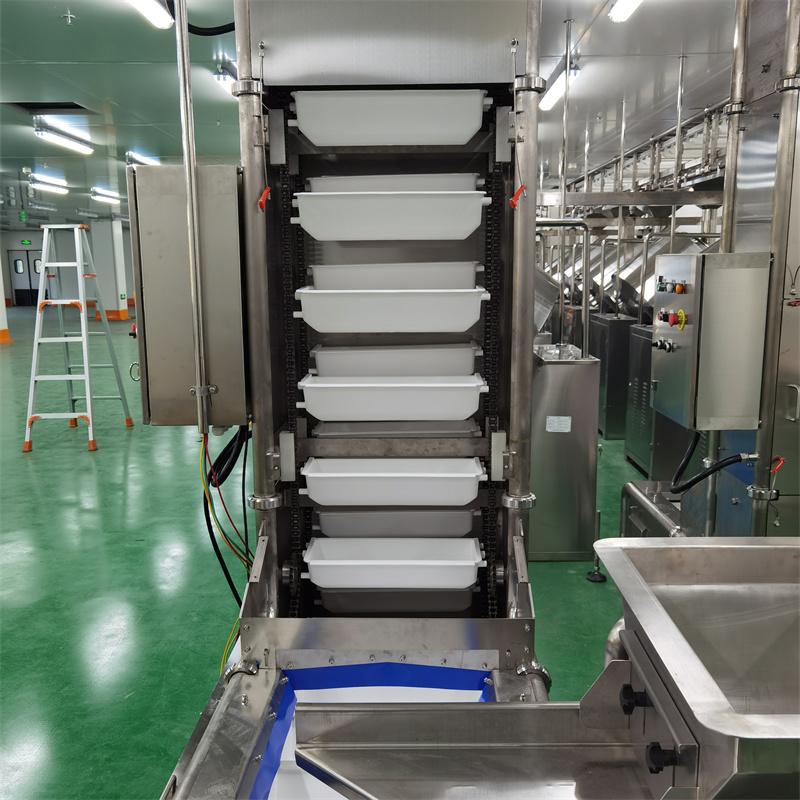
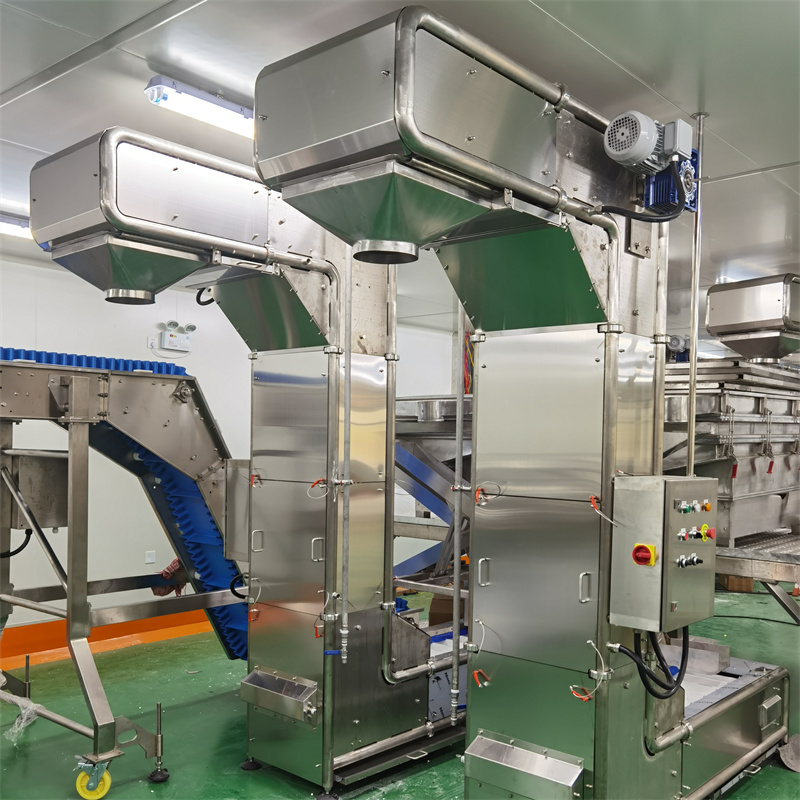
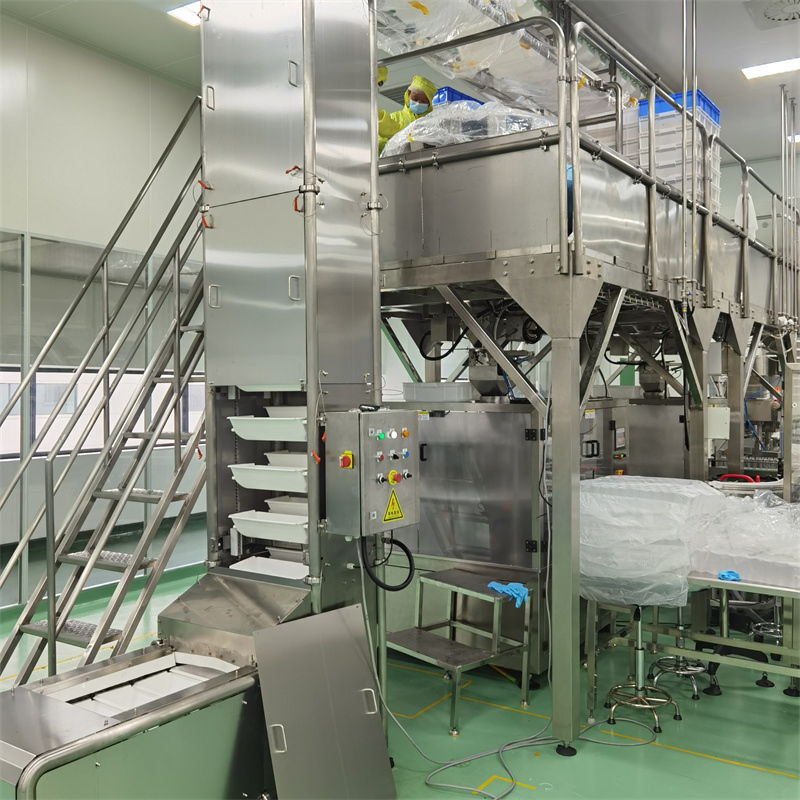
- Overview
- Recommended Products
Overview
1. Product Overview
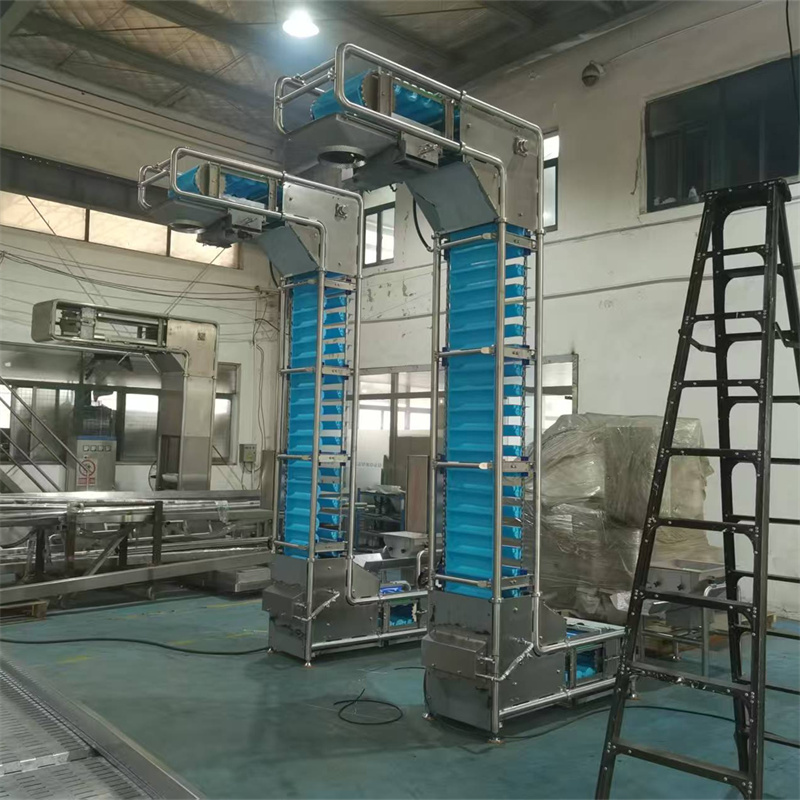
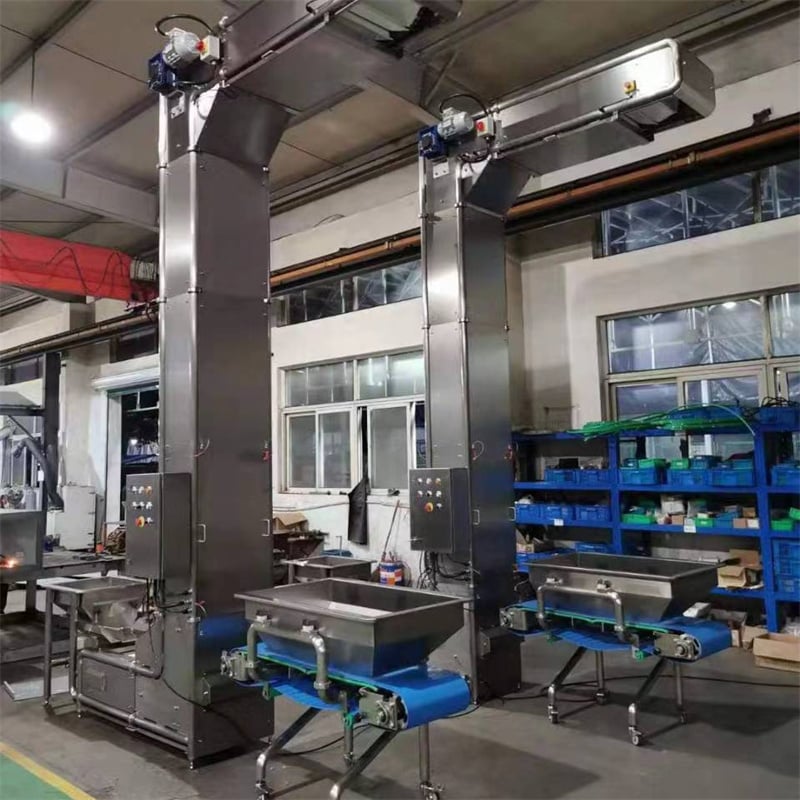
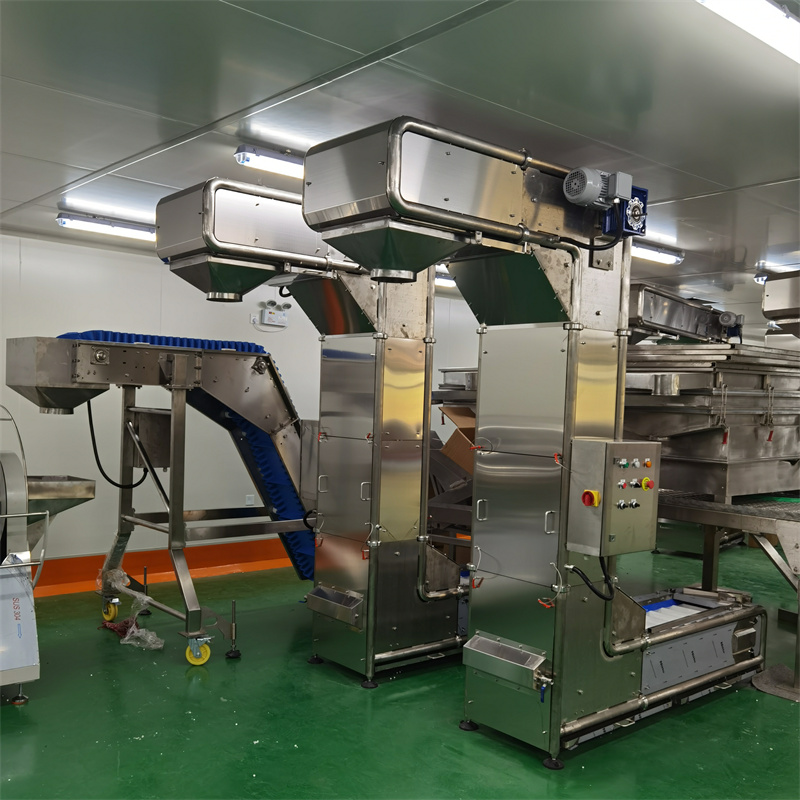
In a fresh-food box and can filling system, the Bucket Elevator performs the critical first conveying task: it lifts washed, drained, still-wet vegetables and fruits from the ground-level pre-treatment station smoothly and continuously up to the buffer hopper above the multihead weigher or to the inlet of the vibrate feeder. Unlike general-purpose elevating machines engineered for high-speed snack-food single lines or two-in-one merging lines, this unit is a sanitary bucket elevator redesigned specifically for wet, fragile and delicate fresh produce. Lifting speed is gentle and adjustable; buckets are formed from food-grade stainless steel in one piece with rounded, edge-free transitions so that product is never squeezed, knocked or scratched during loading, ascending and discharge. The whole machine is built on hygienic engineering principles: every product-contact surface is corrosion-resistant and rust-proof, allowing reliable long-term operation in humid fresh-food wet areas that are washed down frequently, delivering a uniform, intact, high-quality product flow to the downstream weighing and packing stages.
2. Value Proposition for Fresh-Food Scenarios
After washing, vegetables and fruit carry a great deal of free surface water. Leafy greens tend to cling together in clumps; tomatoes, strawberries and blueberries have delicate skins; peppers and eggplants are smooth-skinned, easy to slide yet easily bruised by hard contact. If a fast-tipping bucket structure designed for powders or puffed snacks were used, product would suffer impact and abrasive friction at the discharge point, causing juice loss, skin damage and shape collapse — which in turn destabilizes the accuracy of the downstream multihead weigher and spoils the appearance of the packed boxes and cans. This fresh-food bucket elevator applies a "slow rise, shallow bed, controlled discharge" design language: product ascends gently inside the buckets, tips out along a smooth trajectory at the top, and slides into the next station through a buffered chute, keeping drop height and impact to an absolute minimum. The discharge is fitted with a cushioned guiding structure that eliminates dropping and slamming, so every pepper and every leaf reaches the weighing stage in perfect condition.
3. Corrosion Protection and Wet-Area Adaptability
In a fresh-food wet area, corrosion threats come from two sources: prolonged contact with free water and residue from cleaning chemicals. The frame, buckets, guarding and rails of this elevator are all manufactured from food-grade stainless steel; welds are ground and passivated to keep surface roughness low so water and product do not cling. Water collection and drainage features are built into the machine base, and casing joints are arranged in a drainage-friendly manner to remove standing-water pockets. Bearings and drive components use waterproof seals and are placed outside the product zone or behind protective covers so washdown water cannot penetrate and cause rust. The machine withstands frequent fresh-water rinsing and gentle disinfectant wiping, meeting the strict anti-corrosion, rust-free and contamination-free requirements of fresh-food plants while keeping both the equipment and the product clean over the long term.
4. Engineering Details for Low-Damage Lifting
Several targeted measures deliver on the low-damage promise. A variable-frequency drive allows the operator to set the optimum lifting speed according to the fragility, shape and moisture content of each product — peppers, eggplant, leafy greens or tomatoes — providing flexible "one product, one speed" control. Bucket capacity and pitch are matched through calculation to prevent overloading and compression within the product bed, reducing friction and self-weight pressure between items. The discharge trajectory is optimized so product slides along a guiding surface instead of falling freely. For high-value berries such as strawberries and blueberries, soft buffer liners and a slow-discharge mode are available as options, reducing mechanical contact damage to a minimum. Across the entire conveying path there are no sharp corners, no pinch points and no trapping gaps — every transfer of product from intake to outlet remains gentle and controlled.
5. Coordination Within the Fresh-Food Box & Can Filling System
The bucket elevator normally works with the vibrate feeder and multihead weigher to form a three-stage front end of "elevating — feeding — weighing", followed by the box/can packing machine: buffer hopper → bucket elevator → vibrate feeder → multihead weigher → box/can packer. The elevator supplies the downstream stages with a continuous, stable, pulse-free product flow, preventing empty-weighing caused by feed interruptions or metering drift caused by flow fluctuation. Interlocked with the line control system, the elevator coordinates start-up and stop sequences automatically while upstream and downstream speeds self-match, so the whole line remains smoothly connected and highly efficient when changing products or adjusting capacity.
6. Applicable Products
Suitable for wet, fragile fresh produce requiring low-damage conveying after washing: mixed vegetables (peppers, eggplant, tomatoes, cucumbers), leafy greens (lettuce salad leaves, spinach), root and cut vegetables (carrots, diced potatoes), berries (strawberries, blueberries), mixed beans, and partially processed pre-washed vegetables.
7. Hygiene and Safety
Designed in line with FSMA sanitary design principles and the brand philosophy of "Hygiene First · Safety First", the elevator has no dead corners, no retention zones and allows fast strip-down cleaning to prevent microbial growth and cross-contamination. Moving parts are guarded with safety interlocks to eliminate operator contact risk; electrical layout keeps away from rinse zones for safe operation in wet areas. Manufactured by a team founded in 2019 with over 10 years of engineering experience, every machine passes multiple structural, hygienic and safety reviews before delivery.
8. Maintenance and Cleaning
Maintenance is simple, fast and thorough. Daily end-of-shift cleaning is done by fresh-water rinsing; buckets and guide parts can be quickly dismantled for weekly deep cleaning and visual inspection. Inspection doors are conveniently arranged, and drive and tensioning points are easy to reach and adjust. Lubrication points are few and centralized; combined with sealed waterproof bearings, routine maintenance burden and spare-part consumption in wet areas are greatly reduced.
9. Selection and Service
Lifting height, capacity, bucket style and inlet/outlet direction can all be customized to your line layout, capacity targets and product characteristics. Our engineering team provides complete line design, manufacturing, installation and commissioning, operator training and after-sales support. Please share your product samples and capacity requirements to receive a tailored configuration proposal for your fresh-food bucket elevator.